Synthetic identity: a growing challenge for e-commerce, how to protect against it
Identity fraud, in all its forms, is a constantly evolving scourge in the e-commerce sector. Among the most insidious forms of this fraud, synthetic identity stands out for its…
The development of artificial intelligence is changing the face of fraud. On the one hand, it enables fraudsters to carry out increasingly sophisticated attacks that are difficult to detect…
Called OnlyFake, this service is creating a buzz among both cybercriminal networks and the press. It exploits ‘neural networks’ to produce high-quality fake images. See below for an example:…
Put like that, it sounds both simple and practical. In terms of fight against fraud, at first sight having access to an individual’s account information is an ‘ideal’ solution…
Telegram about to disclose private information to Authorities!
On August 24, Pavel Durov, CEO of the messaging app Telegram, was arrested at Le Bourget Airport. This arrest occurred a month and a half after the launch of a…
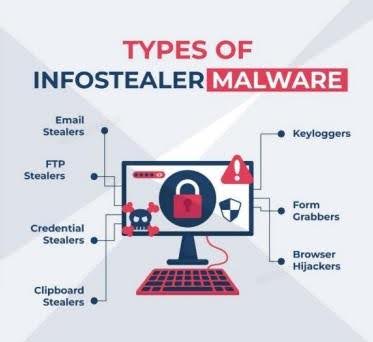
The threat of malicious “Infostealer” programs is becoming an increasingly concerning cybersecurity topic. Infostealers are malware designed to steal personal and sensitive information, such as login credentials, passwords, banking…
Introduction On May 21, 2024, the European Council officially adopted the Artificial Intelligence Regulation, which came into effect on July 12, 2024.The purpose of this regulation is to provide…
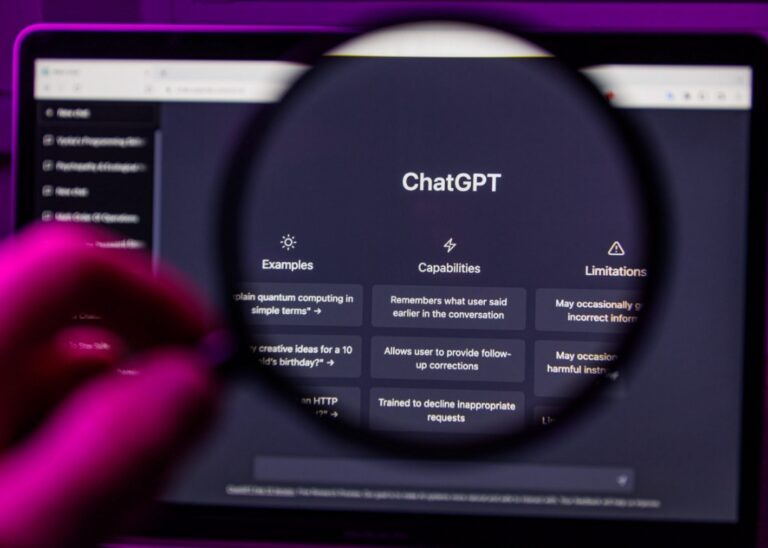
ChatGPT: the new Swiss army knife for fraudsters? As fraud continues to rise, ChatGPT opens the door to new forms of fraud, including making it easier to create sophisticated…
The ChatGPT Revolution: A new playground for fraudsters?
ChatGPT: the new Swiss army knife for fraudsters?As fraud continues to rise, ChatGPT opens the door to new forms of fraud, including making it easier to create sophisticated phishing…









 Nederlands
  English (UK)
  Français
  Español
  Italiano
  Português
  Română